
Bay & Bow Windows A brighter room, a bigger view, and a true feature upgrade
Bay and bow windows extend outward to bring in more daylight and open up the view. They can be built with fixed glass for maximum clarity, or combined with casement / awning panels for ventilation.
If you want a clean, modern finish, the key is matching sightlines, trim, and exterior capping so the window looks “built‑in,” not added on.
What you get with bay & bow windows
- More light: multiple panels bring daylight from more angles
- Wider view: a panoramic “feature window” feel
- More space: ledge or seating nook inside the room
- Design flexibility: fixed + operable panels for a clean look
Quick choose
- Bay: defined angles, classic architectural curb appeal
- Bow: softer curve, wide “wall of glass” look
- Ventilation: add casement/awning ends to keep it functional
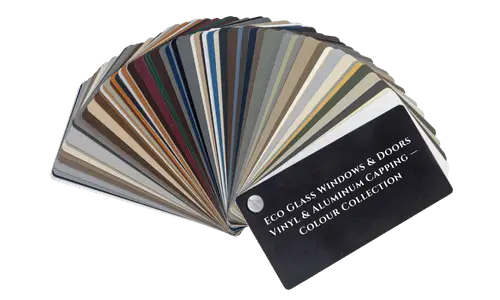
Vinyl & Aluminum Capping Colour Collection
A clean bay/bow install is all about finishing. Use this as a starting point for planning exterior trim and capping colour.
Clean-look layouts homeowners choose most
Most bay/bow replacements use a large fixed view panel, with operable ends for airflow—so you get the look and the function.
Bay vs Bow Windows
Both project outward and brighten the room. The real difference is the exterior profile and how many panels you want.
Defined angles, classic feature look
Bay windows are known for a crisp, architectural style—typically with a larger center panel and angled sides.
- Common layout: 3 panels
- Look: structured, clean angles
- Great for: front elevations & living spaces
Softer curve, panoramic “wall of glass” feel
Bow windows use more panels to create a gentle curve and a wider visual span.
- Common layout: 4–6 panels
- Look: elegant, rounded profile
- Great for: wide openings and statement windows
Choose by look + room function
If you want a sharper architectural shape, go bay. If you want a smooth curve and maximum “glass presence,” go bow.
- Want airflow? add casement/awning ends
- Want max view? more fixed glass
- Want low upkeep? plan capping + colour match
Ventilation Options
Bay and bow windows can be built for maximum view, maximum airflow, or a balanced mix. These are the most common clean-look options.
Fixed view + casement ends
A big clear center view, plus strong ventilation from the sides. Clean symmetry and great day-to-day usability.
Fixed view + awning ventilation
A compact opening style that keeps lines simple—great when you want ventilation without a “busy” layout.
All fixed panels
Best for uninterrupted glass and the widest possible view. Ideal when ventilation comes from other nearby windows.
Colours & Aluminum Capping
The finishing details make bay/bow windows look intentional. Clean capping lines also help reduce exterior upkeep.
Cleaner lines + long-term protection
Because bay/bow windows are feature assemblies, trim and capping are a big part of the final look. Done right, it tightens the exterior profile and helps protect exposed edges.
- Protects: exterior trim/wood
- Sharpens: profiles and corners
- Reduces: repainting and upkeep
Match your trim or create contrast
White stays timeless. Darker colours create a modern contrast (especially against brick/siding). We’ll help you match the exterior so the window looks “built-in.”
- Match: soffit/fascia/trim for a seamless look
- Contrast: darker frame/capping for a modern upgrade
- Tip: plan colour consistency across front elevation windows
Glass Options for Bay & Bow Windows
Bay and bow windows have more glass area, so the glass package can make a noticeable difference in comfort.
LoĒ 180 (strong everyday comfort)
A popular value-focused Low‑E choice that improves comfort and efficiency while keeping the package practical.
LoĒ i89 (when winter comfort matters)
An optional insulation-boosting upgrade for colder exposures or rooms where you want extra winter comfort.
Bay & Bow Window FAQ
A few quick answers to the most common questions.
Can bay and bow windows open for ventilation?
Yes. Many builds use a fixed center view with casement or awning ends so you get the clean look plus practical airflow.
Is a bay window always 3 panels?
Three panels is the most common, but bay assemblies can be customized based on opening size and the look you’re after.
Do bow windows always have more panels?
Typically yes—bows often use 4–6 panels to create the curved profile and wider view.
Do I need aluminum capping for a bay/bow replacement?
It’s strongly recommended for a clean exterior finish and reduced maintenance. We’ll confirm the best finishing approach during quoting.
How do I get a quote?
Use our quote form and include photos if you have them. We’ll confirm measurements and recommend the best bay/bow layout and ventilation options.